
15 Dec Augmented Reality (AR) Marketing and How it can elevate branding?
In April 2022, a Malaysian social media campaign conducted by New Balance and Futuremade Studio sparked massive interest in the sneakerhead community. The rules are simple: just visit Future Made Studio’s Instagram to download their mini game filter, try to score over 4 points, and share your achievement to your Instagram story to stand a chance to win a pair of New Balance sneakers.

The Voyage 79F social media post created by Future Made’s Studio
This is not the first time Augmented Reality (AR) technology has been integrated into social media campaigns to increase brand exposure and social media followers. Numerous well-known brands such as Adidas, Netflix and Disney Plus have also launched AR filters on Instagram, whether it is to promote their products, create fun mini games for engagement, or even emerging consumers themselves into their favourite upcoming TV shows. It is clear that AR technology is inventing new ways for brands to communicate with their audiences.
What exactly is AR (Augmented Reality)?
Augmented reality (AR) is an interactive experience that combines the real world and computer-generated content. In augmented realities, users are able to navigate virtual elements which blend seamlessly into the real world. An example you can’t possibly miss is the massively-viral phone game, Pokemon Go, where players are able to interact with a combination of the real world and virtual elements, such as your collected Pokemon characters,engaging in battles through the screen of a phone or digital device screen.
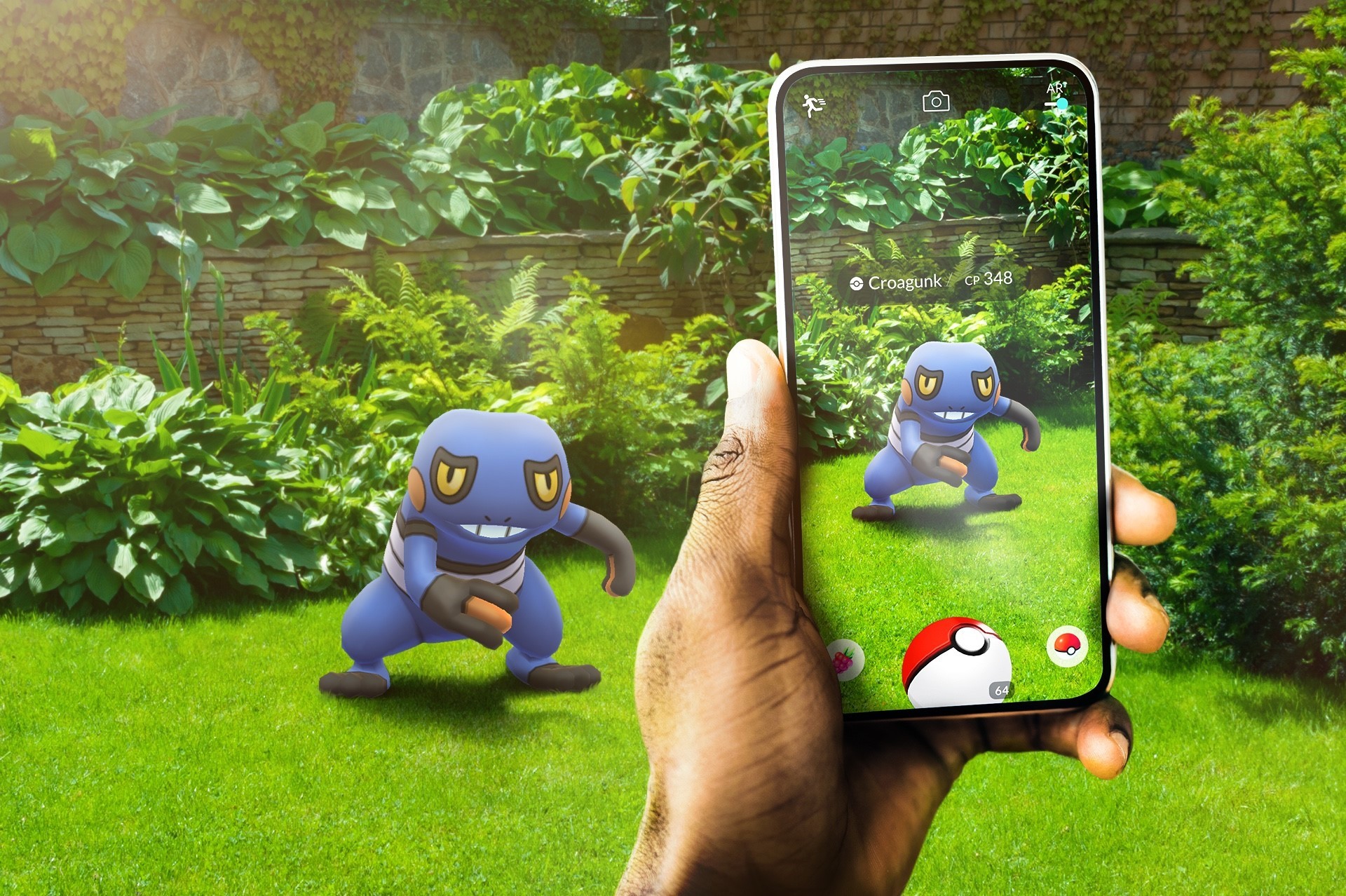
A photo from Pokemon Go showcasing player interact with a Pokemon character
Augmented Reality (AR) and its uses on social media
In the social media world, most AR technology is found in the filter section of these apps in Meta’s Instagram and FaceBook. If you are a heavy social media user, you will probably come across with tons of filters that enable you to modify your facial expression, changing the colour of what you are filming, apply captions over your story, and even adding realistic 3D elements. These gimmicks may appear as a form of marketing to brands from all over.
Companies began integrating AR because the technology provides a more interactive interface compared to typical social media posts. By only liking, sharing and commenting, the interaction between customers and the brands are limited. From the industry perspective, engagement between similar companies is also minimal. With the AR filter technology, these companies can collaborate in producing far more appealing and eye-catching filters.
Instagram Filters and other AR social lenses are predicted to generate $13bn (approx. RM60bn) in ad revenue for brands by 2022. The ultimate goal in marketing is to create content that goes viral. What better way to do that than creating fun filters? It sets you up to reach millions of users by the end of the day, especially if influencers are brought into the picture. Increased attention to the brands that generated those AR filters will escalate brand recognition tremendously. That is how that brand can leave an impression on their audiences.
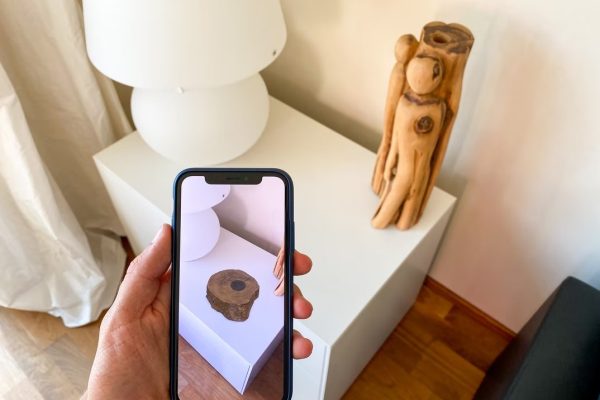
A user using AR Filter on his phone
Photo Credit: Uniboa from Unsplash
AR technology is relatively cost-effective and simple to operate. It can be pretty straightforward even without experience in 3D or coding softwares. AR Sparks Studio allows users to create their own AR filter with a few clicks .Furthermore, it allows you to upload the filter to Meta’s Facebook and Instagram within a short time. Depending on the sophistication of your AR filter, creating an AR filter from scratch could take up to 4 days. Then you would have to wait for approval in order to upload it to social media. Brands should take this opportunity to launch their campaign effectively by keeping up with the trends. For instance , a sports shoe brand may release a teaser for their latest product by sharing a mini game filter to social media.
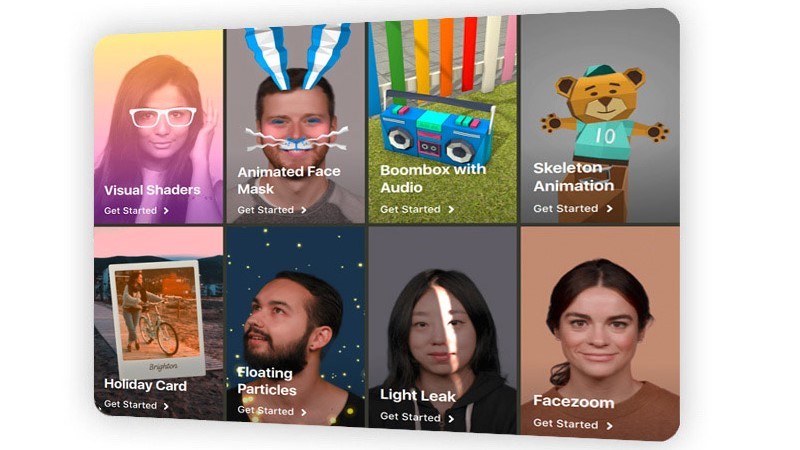
A photo showing AR Spark studio’s filter for social media.
Photo Credit: Creative Bloq.com
Contest campaigns are swarming all over social media everyday. Where digital images are superimposed into the real world to create a world of augmented reality, this exceptional marketing strategy has indeed improved the quality of campaigns. When users participate in the contest, it creates a perfect brand experience for the participant by allowing users to share their experience on social media. Even if a brand does not interest the user, they can simply have a fun time attempting at the minigames in the AR filter. This unknowingly helps to increase brand visibility.
In short , AR has increased the outreach of brands with its interactive nature. The future of digital marketing no longer focuses on typical social media marketing strategies or traditional advertisements. The advancement of technology has significantly aided augmented reality , in expanding the marketing industry.